
"generally refers to"
6000 article(s) found

Puerto Rican coffee is one of the most famous brands in the world.
4. Whether it has rich alcohol thickness (Body). It refers to the concentration and weight of the coffee liquid. 5. Whether it has rich afterrhyme (Aftertaste). It refers to the afterrhyme of coffee, which is evaluated according to the flavor after drinking or spitting. 6. Whether it has rich taste (Flavor). Refers to the taste, the upper palate to feel the aroma and taste of coffee, to understand the taste of coffee. 7. Taste

The powder-water ratio of high-quality coffee beans refers to the amount of water injected?-hand-brewed coffee water injection
The ratio of fine coffee bean powder to water refers to the amount of water injected into hand coffee-the gold cup extraction criterion of dripping coffee is summarized and summarized on the basis of long-term practice. In the field of coffee, the research of SCAE and SCAA is the most thorough and authoritative. Therefore, for a layman like me who lacks the spirit, ability and conditions to delve into it, borrowlism is the simplest solution.

The skill of blending coffee beans
Blending coffee is not a random mix of coffee beans. Sometimes the blending of two kinds of boutique coffee will suppress each other's unique flavor; blending is not simply blending several kinds of boutique coffee together. Matching is like the painter adjusting and creating charming colors in the color palette, the mixer can reconcile the attractive taste according to the different characteristics of the coffee beans. It is said that matching is an art

The main source of Italian flavor coffee coffee is the coffee producing area.
If you see "Italian", "Vienna", "Nanyi" and other signs on the coffee label, do not mistakenly think that the coffee beans have anything to do with the above-mentioned place names-probably not, because traditionally, "Italy" and "Vienna" are synonymous with the degree of roasting (or blending) and do not mean that they are coffee from Italy or Vienna (such as
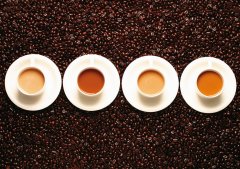
Basic knowledge of boutique coffee 3 minutes to let you know coffee
We can often see individual coffee, fancy coffee, or even mixed coffee, and many people may be confused, so what exactly does this mean? Today, the editor will explain the differences between these coffees in detail. Individual coffee generally refers to a single style of coffee beans produced in a single country or producing area. It can be likened to a coffee solo. Such as the manor series of cafetown brand

General knowledge of high-quality coffee to distinguish between true and fake coffee
The coffee here refers to the brown powdered solid drink of raw coffee beans roasted and ground. Common adulterants in coffee are chicory root powder, roasted ground grains, etc., or processed with other bean-shaped seeds instead of coffee beans. The sensory coffee is brown and powdery. Due to the Maillard reaction during roasting, the coffee has a special aroma, and counterfeit coffee has no or
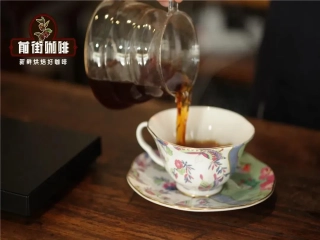
What are the differences in flavor and taste characteristics between black coffee and other coffee from different countries
In a broad sense, black coffee belongs to a large category of coffee. In a narrow sense, black coffee refers to coffee without anything added. Black coffee can be divided into drip coffee, siphon coffee, mocha coffee and American coffee in Italian coffee. And it is generally believed that coffee is generally influenced by living habits.
Coffee culture coffee shops commonly used tasting terms
The term Complexity commonly used in coffee shops refers to the different levels of characteristics that coexist in the same cup of coffee, with high complexity, indicating that there are many kinds of sensory stimuli that can be sensed. It is important to note that these feelings include the aftertaste and are not necessarily limited to the present feeling when drinking. Texture, taste (Body, Mouthfeel) refers to the thick, sticky touch of coffee in the mouth.

The practice of coffee beans the common practice of Daquan coffee beans
. Indication of origin: the coffee beans sold in the "single product" and "comprehensive" coffee market can be roughly divided into two categories: single coffee (Single Origins- referred to as S.O) integrated coffee (Coffee Blends) "single coffee" generally refers to a single style of coffee beans from a single country or producing area. It can be compared to a coffee solo. If a bag of coffee is marked with a coffee producing country

What is boutique coffee? you know that?! The definition of boutique coffee what makes fine coffee special is that
For information, please follow the Coffee Workshop (Wechat official account cafe_style) Fine Coffee (Speciallty Coffee), which was first proposed by Erna Knutsen in an issue of Tea and Coffee Trade magazine in 1974 to describe the coffee beans with the best flavor produced in a specific microenvironment. Boutique coffee (specialty coffee) is also called specialty
Boutique Coffee Technical terms in Coffee Shop
The term Complexity commonly used in coffee shops refers to the different levels of characteristics that co-exist in the same cup of coffee, with high complexity, indicating that there are many kinds of sensory stimuli that can be sensed; it is important to note that these feelings include the aftertaste and are not necessarily limited to the immediate feelings of drinking. Texture, taste (Body, Mouthfeel) refers to the thick, sticky touch of coffee in the mouth.

The principle of adjusting the thickness of coffee grinding the corresponding reference of coffee grinding degree and particle size
Professional coffee knowledge exchange more coffee bean information please follow the coffee workshop (Wechat official account cafe_style) coffee bean grinding fineness how to judge and set the grinding degree of espresso about grinding to make a cup of coffee requires roasting, grinding, extraction and other important processes. Today we're going to talk about the first step you need when you get a roasted coffee bean.
Technical terms in coffee shops Coffee tasting terms
Complexity refers to the different levels of characteristics that coexist in the same cup of coffee, with high complexity, indicating that there are many kinds of sensory stimuli that can be sensed. It should be noted that these feelings include the afterrhyme and are not necessarily limited to the present feeling when drinking. Texture, taste (Body, Mouthfeel) refers to the thick, slippery touch of coffee in the mouth, which is about equal to the suspended amount of gum in the coffee.

The judgment standard of fine coffee and the difference between bitterness and concentration of coffee
At present, there is no clear judgment standard of fine coffee in the international community. Here, we will briefly explain the standards of the American Fine Coffee Association and the basic standards of coffee producing countries. American Fine Coffee Association Standard: 1. Whether it has rich dry aroma (Fragrance). The so-called dry aroma refers to the aroma of roasted or ground coffee. two。 Whether it is abundant or not

Technical terms commonly used in coffee shops for tasting coffee
Complexity refers to the different levels of characteristics that coexist in the same cup of coffee, with high complexity, indicating that there are many kinds of sensory stimuli that can be sensed. It should be noted that these feelings include the afterrhyme and are not necessarily limited to the present feeling when drinking. Texture, taste (Body, Mouthfeel) refers to the thick, slippery touch of coffee in the mouth, which is about equal to the suspended amount of gum in the coffee.

Professional terms in coffee shops basic knowledge of fine coffee culture
The term Complexity commonly used in coffee shops refers to the different levels of characteristics that coexist in the same cup of coffee, with high complexity, indicating that there are many kinds of sensory stimuli that can be sensed. It is important to note that these feelings include the aftertaste and are not necessarily limited to the present feeling when drinking. Texture, taste (Body, Mouthfeel) refers to the thick, sticky touch of coffee in the mouth.

The skill of blending coffee beans basic knowledge of fine coffee
Blending coffee is not a random mix of coffee beans. Sometimes the blending of two kinds of boutique coffee will suppress each other's unique flavor; blending is not simply blending several kinds of boutique coffee together. Matching is like the painter adjusting and creating charming colors in the color palette, the mixer can reconcile the attractive taste according to the different characteristics of the coffee beans. It is said that matching is an art
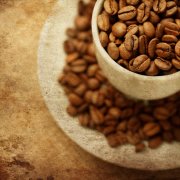
Generally follow the principle when matching, the most commonly used original beans, Brazil, Colombia, mocha, Italian coffee.
Generally speaking, the following principles should be followed when matching: 1. Blending of raw beans requires the use of coffee beans with their own characteristics, and avoid using coffee beans with similar flavor. The selection of raw beans can be considered from three aspects: the treatment method of raw beans, that is, whether raw beans are treated by washing or drying, which has a lot to do with the flavor of coffee beans. Raw bean producing area: coffee producing area is generally divided into three major

How to drink coffee how to taste a cup of coffee correctly?
Some people drink coffee for more than ten years, only know that the taste is good coffee, to ignore the composition of a cup of coffee from five flavors and one fragrance to five flavors means sweet and sour, one fragrance is aroma, taste a cup of coffee carefully, drink when hot, drink when warm, and drink when completely good, the taste is completely different. A cup of coffee should not be added to any.
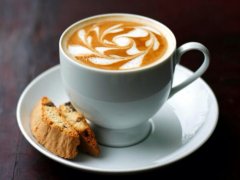
Interpreting the name of coffee beans, why does coffee have individual items, deep roasting and Italian style?
Why do coffee beans have such a long name? Why is there a single item, deep roast and Italian style of coffee? How is this distinguished? When you walk into a coffee store or open the website of a professional coffee and bean seller, you may be confused by the dazzling variety of coffee names. Why do coffee beans have such a long name? Why is there a single item, deep roast and Italian style of coffee? How is this divided?